






























Practical Tips for LCL Shipping – A Must-Read for LCL Cargo!
In international ocean freight, LCL (Less than Container Load) shipping is suitable when the cargo volume is small or insufficient to fill an entire container.
LCL shipments are typically organized and managed by logistics companies or freight forwarders. Cargo from multiple shippers is consolidated efficiently to maximize container space utilization.
So, what are the differences between LCL and FCL (Full Container Load) shipping, and what should you pay attention to when shipping?
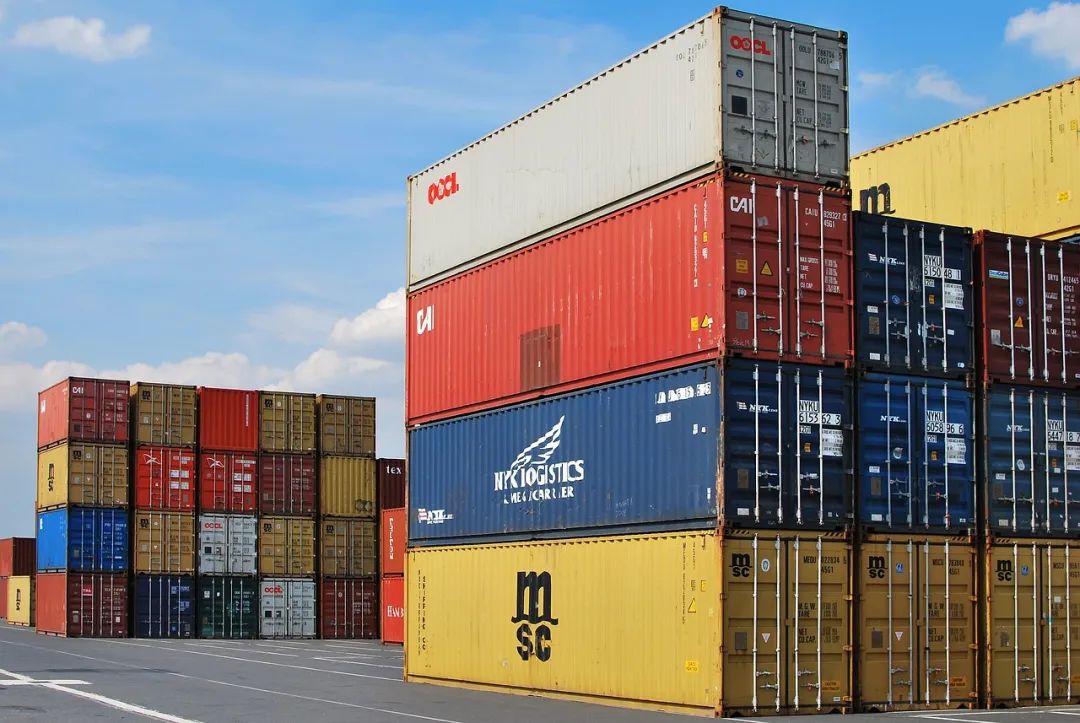

LCL shipping refers to the consolidation of cargo from different shippers into a single container for transport. LCL shipping maximizes container capacity utilization and reduces transportation costs for each shipper.
FCL shipping, also known as full container load transport, means the cargo is not mixed with goods from other shippers in the same container. This method is suitable for large-volume shipments or cargo that requires integrity and independence.
Cost-Effectiveness: For smaller quantities of cargo, LCL shipping is often more cost-effective than FCL shipping, as the freight charges are shared among multiple shippers.
\n\n\n\n
Flexibility: LCL shipping allows shippers to transport smaller batches of goods as needed, without waiting to fill an entire container.
\n\n\n\n
Space Saving: By consolidating cargo efficiently, container space can be fully utilized, minimizing wasted space.
\n\n
\n
Handling Time: As cargo needs to be consolidated during loading, LCL shipping may require additional handling time.
\n\n\n\n
Cargo Protection: Goods may come into contact with other shipments inside the container, so extra protective measures may be necessary.
\n\n\n\n
Route Limitations: Some shipping routes and ports may not offer LCL services, resulting in limited transport options.
\n\n\n
\n
Shipping lines only accept bookings for full container loads (FCL) and do not directly accept ocean freight bookings for less-than-container loads (LCL). LCL shipments can only be booked with the shipping line after a freight forwarder consolidates them into a full container.
Due to limited cargo sources, most freight forwarders can only concentrate bookings with a few shipping lines and are rarely able to meet requests for a specific carrier. Therefore, when finalizing LCL shipments, try to avoid accepting terms that require a designated shipping line, to prevent being unable to fulfill the requirement when arranging the shipment.
Almost all LCL shipments are transported through freight forwarders via "centralized consolidation and centralized deconsolidation." The primary LCL consolidation hub for the East China region is essentially the Port of Shanghai.
When negotiating and finalizing deals with clients, pay special attention to the relevant transport terms to avoid discovering that the transport terms cannot be met when arranging the shipment after the other party's L/C is issued.
In daily operations, we often encounter L/Cs stipulating that freight forwarder's bills of lading are not acceptable for LCL shipments. Since shipping lines do not directly accept LCL bookings, the ocean B/L is issued to the freight forwarder, who then issues a HOUSE B/L to the shipper. If the L/C stipulates that a forwarder's B/L is not acceptable, there is no alternative when actually arranging the transport, which will result in an L/C discrepancy.
Before delivering LCL cargo, the factory should be required to measure the weight and dimensions of the goods as accurately as possible. When the cargo is delivered to the warehouse designated by the freight forwarder, the warehouse will usually re-measure it and use the re-measured dimensions and weight as the basis for charging.
\n\n\n\n
If the factory changes the packaging, they should be required to notify promptly. Do not wait until the cargo arrives at the forwarder’s warehouse and the information is relayed back through the forwarder—by then, time is often very tight. Changing customs declaration documents at that stage can easily delay customs clearance, or incur urgent customs declaration fees and port rush charges.
\n\n\n
For some ports, due to insufficient LCL cargo supply and relatively high costs, freight forwarders specializing in LCL services apply a minimum charge for shipments with very small volumes.
\n\n\n\n
For example, the minimum charge may be based on 2 freight tons, meaning any shipment less than 2 freight tons will be charged as 2 freight tons. Therefore, for cargo with small volume or destined for remote ports, such factors should be taken into greater consideration when concluding deals to avoid future difficulties.
\n\n\n
For LCL shipments on less common routes and to remote ports, especially when the customer requests delivery to an inland point, it is best to consult and confirm with the shipping line and freight forwarder before signing the contract—ensuring they can handle such remote ports and inland deliveries, and clarifying all related costs.
\n\n\n
Summary:
\n\n\n\n
Overall, LCL ocean freight is a flexible and cost-effective shipping method, especially suitable for small-volume cargo or export shipments by small businesses.
\n\n\n
\n