






























Freight rates stop falling! Are Europe and Mediterranean routes bottoming out? Trans-Pacific remains tough
Following the end of a nine-week losing streak for the Shanghai Containerized Freight Index (SCFI), the latest SCFI reading on March 24 edged down 0.15% to 908.35 points.This week, indices for the four major routes remained flat or declined slightly.

US West Coast Route: After consecutive declines in the prior period, freight rates on the US West Coast route have held steady and appear to be at or near the bottom. The SCFI USWC rate stood at USD 1,155/FEU, down USD 6 or just 0.51% from the previous period. Xeneta's XSI index for USWC dipped only 1% to an average of USD 1,218/FEU. The FBX index also fell 1% to USD 1,016/FEU, while the NCFI index rose 1.1%. Although carriers have cited an absolute market floor of USD 1,000, they are simultaneously pushing for contract rates at least double the current spot levels.
Consultant Jon Monroe believes the traditional contract season for the Transpacific trade, which typically sees signing in the first week of April, will be extended into mid-year. He stated: "If there is little uptake, expect the contract signing period to extend into June." New USWC contract rates are expected to fall between USD 1,400 and USD 1,500.
US East Coast Route: BCOs on the US East Coast are also facing a dilemma, as spot rates continue to slide. The latest Drewry WCI index for USEC fell another 2% to USD 2,598/FEU, the FBX index dropped 3% to USD 2,123/FEU, the SCFI index declined 2.39% to USD 2,038/FEU, and the NCFI index decreased by 2.9%. This indicates that spot rates on this route have yet to find a floor.
Transpacific contract negotiations are at an impasse, with both BCOs and carriers seemingly reluctant to finalize new agreements until the outlook becomes clearer.
Meanwhile, as liner companies continue to manage capacity deployment, some sailings on the Europe-Mediterranean routes are fully booked, prompting carriers to proactively push for market rate increases for April voyages.
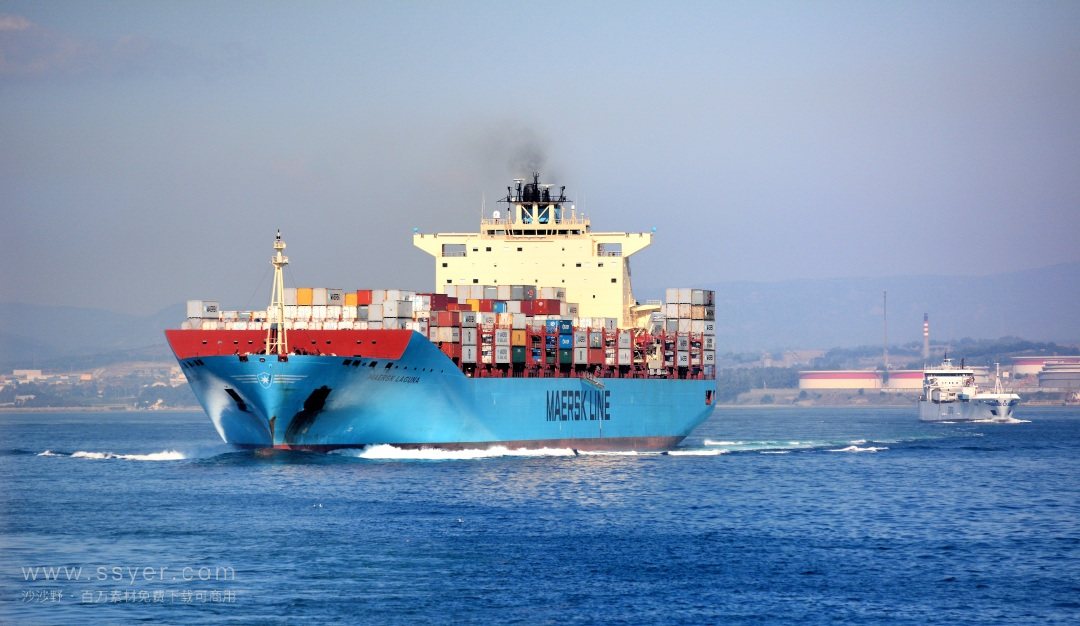
Europe Route:Spot rates from Asia to North Europe also appear to have reached or are nearing their lowest point. The NCFI index for the Europe route rose 3.8% from the previous period. The XSI index for North Europe remained flat, averaging USD 1,479/FEU, compared to an average of USD 12,600/FEU in the same week a year ago — and that figure did not include the then-industry-standard equipment surcharges and priority loading fees.
Yang Ming's Chief Operating Officer, Zhang Shaofeng, recently noted that an optimistic view suggests a potential turnaround in the second quarter of this year, with further improvement possible in the third quarter. While the exact timing of the bottom is unpredictable, there are relatively clear signs that the Asia-Europe route is bottoming out.
Mediterranean Route: For the Mediterranean route, spot rates appear to be recovering, with the FBX index showing a second consecutive weekly increase, rising 4% this period to $2,888/FEU. The NCFI index indicates a 3.4% increase in rates for the East Mediterranean route and a 4.1% increase for the West Mediterranean route. The WCI Mediterranean index remained flat compared to the previous period. Only the SCFI index fell 2.72% to $1,606/TEU. Overall, rates are relatively stable.
On the short-sea routes, the SCFI index shows that rates from the Far East to Kansai, Japan, fell by $10 per TEU; to Kanto, Japan, fell by $1 per TEU; to Southeast Asia rose by $4 per TEU, an increase of 2.1%; and to South Korea fell by $9 per TEU compared to the previous period.
In its recently released 2022 full-year performance report, OOCL noted that this pronounced downward trend in freight rates appears to be stabilizing, and expressed an optimistic outlook. The company stated: “Some routes are showing clear signs of improved load factors, although the overall industry environment is unlikely to change substantially in the first half of 2023.” This suggests that shipping lines may have passed the worst of the downturn.

Yang Ming Marine Transport stated that this year, 19 vessels are scheduled for annual dry-docking and 9 vessels for scrubber retrofits, which will help reduce supply, ease overcapacity pressure, and lower fuel costs. Additionally, regarding blank sailings this year, Yang Ming indicated there is no fixed number and adjustments will be made flexibly. As for the scrapping of older vessels, Clarksons estimates that 1.5% to 2% of old ships are scrapped annually, while some institutions project the scrapping ratio could reach 2.3% next year.
Regarding long-term contract signings, Yang Ming estimates that the US trade lane will maintain over 50% coverage, while the Europe lane will be around 20%. Long-term contract rates are highly sensitive, varying by country and product, and cannot be disclosed. The difference compared to last year is substantial. This year, the signing pace for the US lane has been slower; the rates customers are willing to offer are already higher than spot rates, but carriers are aiming for even higher contract prices.