






























Understand MSDS for Safer Shipping!
Shipping lines have successively introduced hefty penalty clauses, calling for industry self-discipline with one clear goal:to ensure the safe carriage of vessels and cargo, and to protect customer interests. However, relying solely on the deterrent effect of penalties and post-incident reviews is far from sufficient. At every stage — from cargo production, warehousing, and booking to container packing and transport — industry practitioners (including customers and agents) must have a clear understanding of the SOLAS and IMDG Code regulations, as well as a thorough knowledge of the characteristics of the cargo being shipped.

We are now introducing "MSDS" and providing a series of explanations on "batteries," which top the list in product name verification. This is to learn and enrich relevant knowledge together, and jointly build a "safe," "self-disciplined," and "efficient" industry environment.
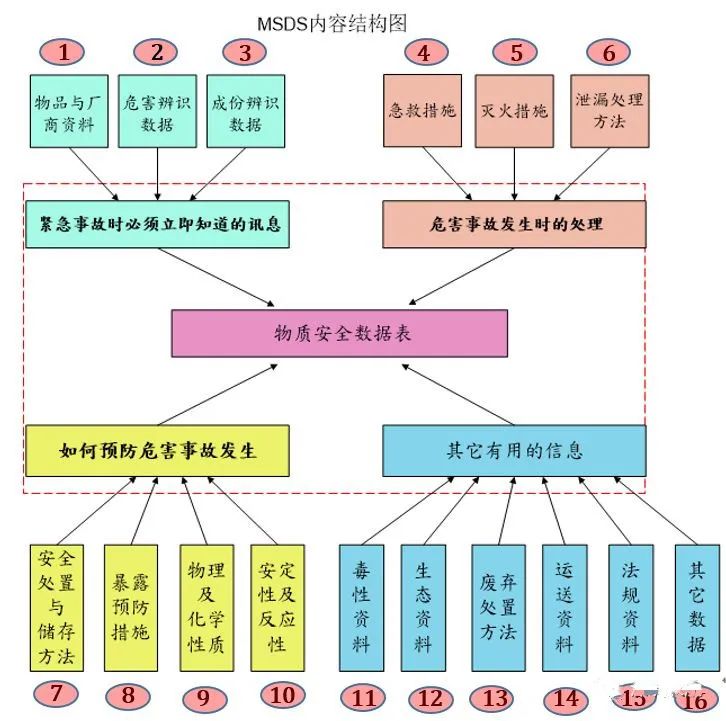
-
The MSDS is valid for 3 years from the Issue Date.
-
All 16 basic sections must be completed item by item, except for [Other Information].
-
The composition in Section 2 or 3 of the MSDS must total 100%.
-
If Section 14 contains a UN No. and CLASS, the product is classified as dangerous goods.
-
The manufacturer name on the MSDS must match the manufacturer name on the transport condition identification report. If they differ, the relationship between the two must be explained.
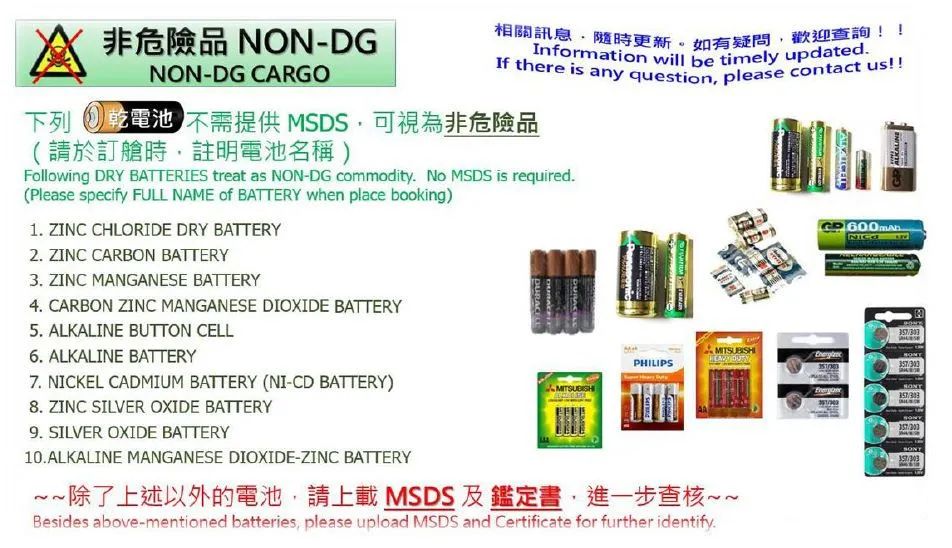
-
Alkaline battery -
Zn-Mn battery -
Carbon-Zinc battery -
Dry battery
These can be regarded as non-dangerous goods, do not require dangerous goods declaration, and do not need to be submitted for review.
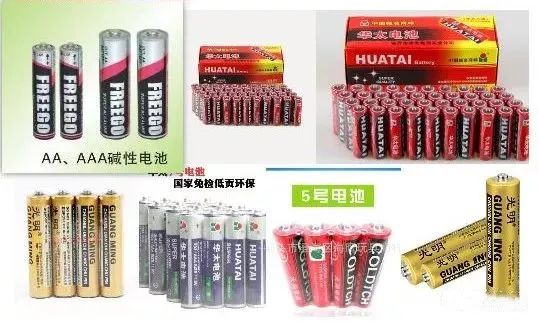
2. Non-Dangerous Batteries Requiring MSDS Verification:
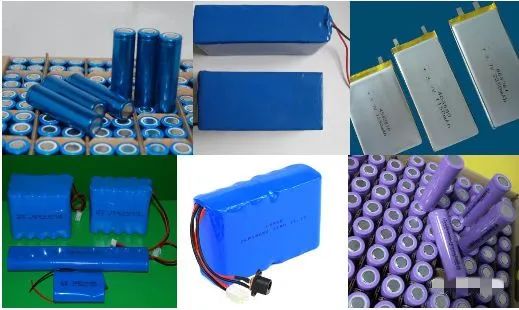
1) Lithium Batteries: An MSDS must be provided, and compliance with IMDG Code Special Provision SP188 must be confirmed before they can be accepted as general cargo.
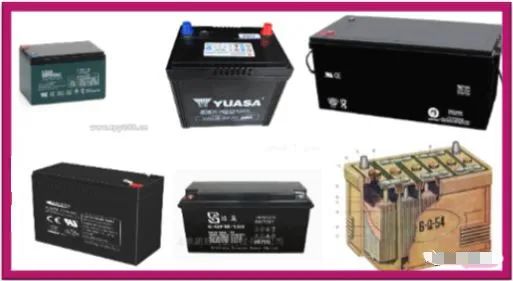
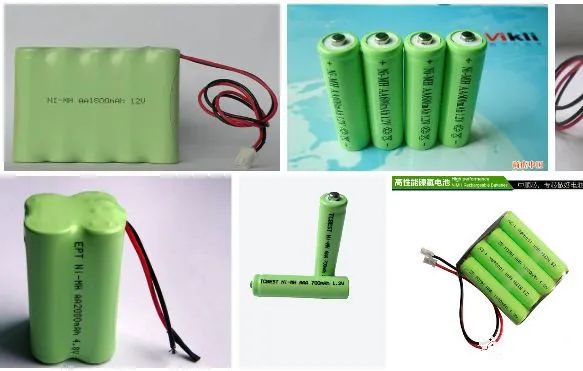
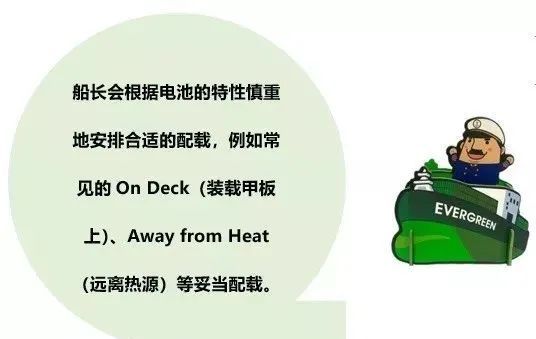
After the above introduction, we believe you now have a deeper understanding of MSDS and batteries. The safety characteristics of cargo play a crucial guiding role in vessel transportation. Only by properly arranging container loading can we ensure the safe shipment of goods.